
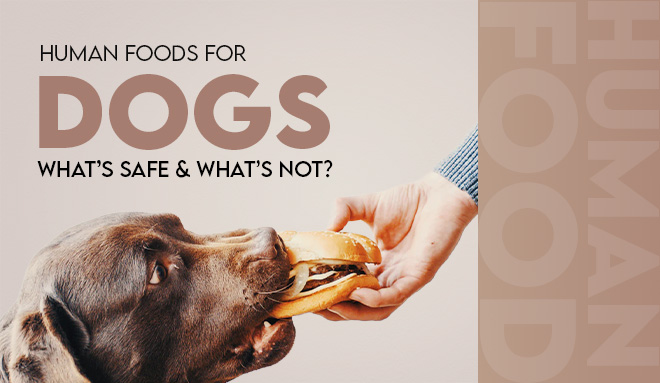
Feeding your dog a piece of chocolate or a tasty cookie is a common way to show affection, but remember that not all human foods are safe for them. While some foods can be given to dogs, others might be harmful. Therefore, having proper knowledge of which foods are safe and which are unsafe for your dog is crucial to maintaining their health.
In this blog post, we will explore human foods that are harmless to your dog and those that are dangerous. Whether you’re a new dog parent or a veteran dog parent, this guide will help you make smart and safe food choices for your canine friends.
Human foods dogs can eat
Meat & Fish
Meat and fish are always healthy and tasty food options for dogs, but feeding them appropriately is the key. Here’s a list of different types of meat and fish that your dog can eat and how you should offer them:
Chicken is a common ingredient used in dog food. A perfect blend of lean protein and high digestibility, chicken is a nutritious and safe source of protein. However, always serve cooked, boneless chicken, as raw chicken may lead to Salmonella infection, while bones can cause choking. Furthermore, if your dog is suffering from stomach issues, give your dog unseasoned chicken.
Beef is a great source of protein and other important vitamins and minerals. It is a safe food option for dogs when offered in moderation. Make sure you serve it without bones, seasonings or sauces.
Pork is highly digestible and contains amino acids, making it a safe and healthy addition to your dog’s diet. Always serve plain pork and avoid feeding raw or uncooked pork, as it can lead to bacterial infections.
Fish contains good fats, omega-3 fatty acids, proteins and vitamins that boost immune health, improve digestion and promote overall well-being. Salmon, shrimp, sardines and tuna are safe for dogs and can be fed in moderation. Ensure you feed plain, unseasoned fish no more than twice a week.
Vegetables
Vegetables are a great treat option to keep your dog happy and healthy.
Potatoes are packed with vitamins, potassium, manganese and fiber, making them a safe option for dogs. However, always serve plain, cooked potatoes as the raw ones contain solanine, a compound that is toxic to dogs.
Carrots are a safe and healthy food option for dogs as they are low in calories and rich in vitamins, minerals and fiber. You can feed both cooked and uncooked carrots, but make sure to cut them into small slices to prevent choking.
Green Peas are packed with vitamins, minerals, protein and fiber, making them a low-calorie, nutrient-rich food for dogs. Serve fresh or frozen peas, but avoid canned peas with added sodium.
Cucumbers have a high water content and low fat and carbohydrate content, making them an ideal treat for overweight dogs. They are rich in vitamins, potassium, copper, magnesium and biotin. Offer cool cucumbers during hot weather as a treat or freeze slices for a snack.
Sweet Potatoes are rich in vitamins, potassium, manganese and fiber, offering essential nutrients for easy digestion, eye health and immune health. You can simply add them to your dog’s regular diet or offer them as an occasional treat.
Fruits
Fruits are not only a delicious food option loved by dogs but also a healthy addition to their diet. Here are some fruits you can offer to your dog:
Apples contain vitamins, minerals and antioxidants, making them a nutritious snack for dogs. They are also rich in fiber and support healthy digestion. Always remove the seeds as they contain amygdalin, a compound that releases hydrogen cyanide, which can be toxic to dogs.
Bananas are high in fiber, potassium and vitamins that help enhance digestive health and boost energy levels. You can mix some mashed banana with your dog’s food or offer a slice or two as a reward following exercise.
Blueberries are an excellent source of disease-fighting antioxidants, vitamins and minerals that protect cells from free radicals, boost immunity and overall well-being of your dog. Blueberries are a safe, nutritious and low-calorie treat for your dog.
Oranges are a high-nutrient, low-calorie treat, rich in vitamin C, potassium and fiber when offered in moderation. Make sure to remove the peel and seeds, and offer the flesh as a treat.
Watermelon is a hydrating, nutrient-rich and low-calorie treat for dogs, packed with vitamins, potassium and fiber. Don’t forget to remove the rind and seeds, as they can cause intestinal blockages.
Peanut Butter
Peanut butter is a great source of protein and contains heart-healthy fats, vitamins and niacin. Rich in fats and calories, it should be given in moderation, as high amounts may lead to weight gain. Make sure you give plain, unsweetened peanut butter. Avoid peanut butter that contains xylitol as it can be toxic to dogs.
Yogurt
Yogurt is a healthy snack for your dog that helps promote digestive and gut health when fed in moderation. Ensure you give only plain yogurt and avoid yogurt with any artificial sweeteners. If you suspect that your dog is lactose intolerant, talk to your vet before feeding yogurt to your dog.
Human foods dogs can’t eat
Chocolates
Chocolates are unsafe for dogs as they contain theobromine and caffeine, which that may cause vomiting and diarrhea and can be fatal to dogs.
Garlic and onions
Garlic and onions are toxic to dogs as they can potentially damage red blood cells and lead to anemia, pale gums, elevated heart rate, and even collapse.
Avocados
Avocados are not considered safe for dogs as they contain persin, a toxin that is toxic to dogs.
Grapes & Raisins
Grapes & Raisins are not safe for dogs as they contain toxic compounds that may lead to acute kidney failure.
Macadamia Nuts
Macadamia nuts are extremely poisonous to dogs as they contain an unknown toxin that may lead to vomiting, tremors, muscle weakness, hyperthermia and depression.
Xylitol
Xylitol is a sugar substitute found in candies, gums, toothpaste and baked items. Never feed your dog foods that contain xylitol, as it may cause a dangerous drop in blood sugar levels and result in seizures, muscle weakness, liver damage and even death in serious cases.
Final Words
Many human foods can be safe for your furry friend when given thoughtfully and in moderation, but some foods can be toxic to them. Equip yourself with the information provided in this blog so that you know what to feed and what not to feed your dog to keep your little one safe and healthy. Make sure to give treats occasionally and feed only vet-approved balanced diets.
Frequently Asked Questions (FAQs)
Q1. What human foods are safe for dogs to eat?
Ans. Fruits (apple, banana, blueberries, watermelon, and oranges), vegetables (potatoes, carrots, green peas, cucumber, and sweet potatoes), plain cooked lean meats (chicken, beef, and pork), oatmeal, yogurt and peanut butter are some of the human foods that are safe for dogs.
Q2. Can dogs eat fruits and vegetables every day?
Ans. Although fruits and vegetables are healthy and tasty food options for dogs, they should be fed in moderation, as overfeeding may lead to weight gain or digestive issues.
Q3. Which human foods are toxic to dogs?
Ans. Garlic, onions, chocolates, raisins, grapes, macadamia nuts and xylitol are some human foods that are toxic for dogs.
Q4. What should I do if my dog accidentally eats a toxic food?
Ans. If your dog accidentally eats something toxic, take your dog to the veterinarian immediately. Do not try to induce vomiting on your own unless instructed by a professional, as doing it incorrectly may cause severe internal damage.
