
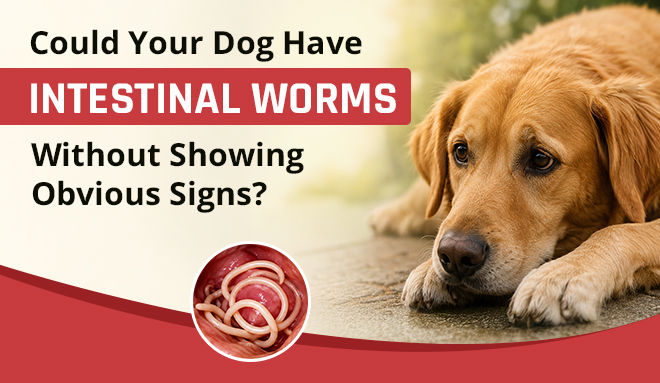
If you’re a dog parent, you may already know some common signs of worm infections like a potbelly, unexplained weight loss, or scooting across the floor. However, dogs with intestinal worms may show few or no obvious signs, and some symptoms can be difficult to link to a worm infection. Therefore, as part of responsible pet parenthood, it is important to recognize the subtle and hidden signs of worms in dogs to provide them with appropriate treatment when needed.
If you’re new to dog parenthood and do not know where to start, don’t worry, as we’re here to help! In this blog, we will shed light on worm infections in dogs and also discuss the subtle and early signs of worms in dogs which may go unnoticed by many.
Read on to find out more!
What are the Common Types of Intestinal Worms in Dogs?
The following are the common types of intestinal worms that tend to infect dogs:
Roundworms
Transmission:Puppies can acquire roundworms in dogs from their mother before birth or through nursing, depending on the roundworm species
Risk: Poor growth, a potbelly, vomiting, or diarrhea
Also read here : Roundworms in Dogs What You Must Know?
Hookworms
Transmission: Exposure to contaminated soil or feces, ingestion of infective larvae, or skin penetration.
Risk: Severe anemia, pale gums, weakness, and diarrhea
Whipworms
Transmission: Ingestion of infective eggs from contaminated feces or soil
Risk: Chronic weight loss, diarrhea that may contain blood or mucus, and straining to defecate
Tapeworms
Transmission: Dogs can acquire common flea tapeworms by swallowing infected fleas
Risk: Visible tapeworm segments around the anus or in faeces, sometimes accompanied by irritation or scooting
Can My Dog Have Worms Without Showing Obvious Symptoms?
A dog can easily be infected with intestinal worms without showing obvious symptoms. According to experts, adult healthy dogs tend to look and behave completely normal during the initial stages of intestinal worms.
Let’s look at some possible signs and symptoms of worms in dogs which may help you determine that your doggo may be suffering from infections.
Persistent & Dry Coughing
Many dog parents may mistake persistent and dry coughing as a symptom of kennel cough or a heart condition. However, veterinarians say that a lingering cough can also be a sign of the migration of roundworms or hookworm larvae through a dog’s respiratory tract.
Poor Growth & Muscle Wasting
Is your pup growing poorly despite receiving an appropriate diet? It can be because of internal parasites that are stealing your pet’s vital nutrients. In more serious cases, this may also lead to loss of muscle mass in the hind legs, shoulders, hips, and spine.
Pale Gums
Blood-sucking intestinal worms like hookworms can drain your dog’s red blood cells, causing anemia. Symptoms may include pale gums, weakness, and reluctance to exercise.
Hindquarter Licking or Biting
If your dog is infected with tapeworms, you may see them indulging in self-trauma in the form of licking, chewing, or grooming their tail base and groin. They do this to relieve themselves of the discomfort they experience due to breaking off or crawling parasite segments through the anus.
Sudden Behavioral Change
Some dogs with intestinal worm infections may show changes in behaviour if they are experiencing discomfort or illness. You can also notice a sudden drop in their stamina during their routine exercise or playing sessions, particularly if the infection is causing illness or anemia.
What to Do if You Suspect a Worm Infection in Your Dog?
If you notice worms or worm segments in your dog’s stool, observe concerning signs, or suspect that your dog has been exposed to worms, you should seek veterinary advice.
While generally worm infections don’t call for medical emergencies, timely treatment does help prevent serious health issues.
If your veterinarian suspects an intestinal worm infection, they may ask for fresh stool samples to conduct a microscopic examination for the presence of worms or worm eggs in the stool and prescribe appropriate treatments.
The following are some of the popular treatments to manage intestinal worm infection in dogs:
– Drontal
– Panacur
– Endogard
How to Prevent Worm Infection in Dogs?
Keeping your dog’s environment clean and practicing proper hygiene is the key to keep parasites at bay.
Avoiding Contaminated Areas
It is important that your dog doesn’t come in contact with contaminated areas where possible. This may include areas which many dogs use to relieve themselves. Promptly dispose of your dog’s waste to help reduce environmental contamination.
Remaining Cautious in Shared Dog Spaces
If your dog happens to visit shared pet spaces like a dog park or pet grooming facilities, it is essential to wash their paws or give them a bath with a dog-specific cleanser to reduce the instances of them getting infected with worms.
Discourage Scavenging & Hunting
Discourage your dog from scavenging, hunting prey, or eating raw or undercooked meat, as these behaviors can expose them to certain parasites.
Bottom Line
As discussed above, we can come to the conclusion that dogs can have intestinal worms without displaying obvious signs. These parasites often remain hidden and discreetly drain your pooch’s nutrients. Therefore, routine veterinary screenings and appropriate preventative treatments are essential to maintain your canine companion’s safety and overall well-being.
At DiscountPetCare, we carry a wide range of dog wormers at discounted prices. Check out our online store to purchase your preferred formulas from the comfort of your home.
